
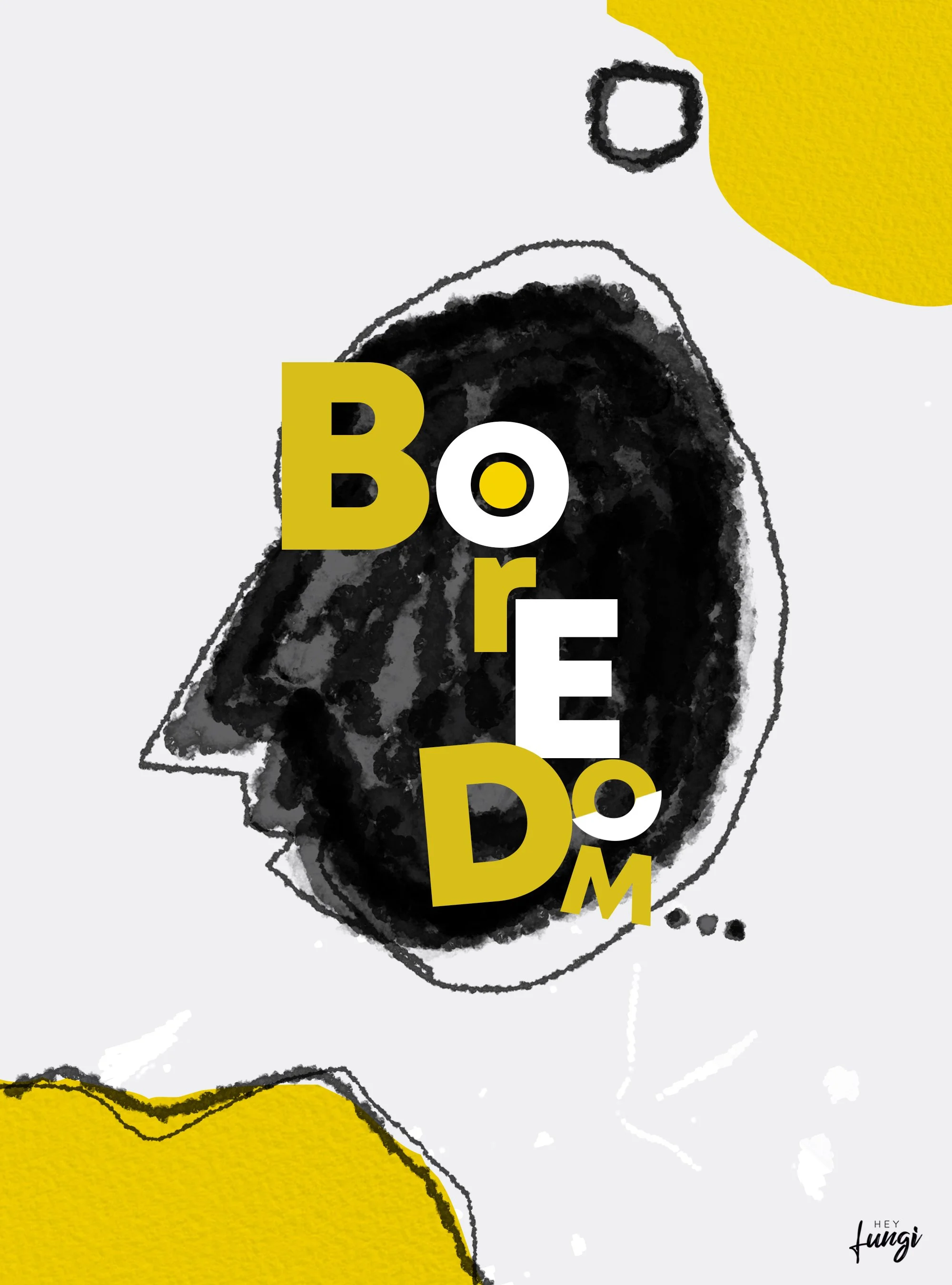
Hay algunos que prefieren tirarse al sofá con un libro y otros que se entregan a un maratón de Netflix después de la jornada de trabajo. Sin embargo, te apuesto a que más de una vez durante tus horas de descanso has sentido ese impulso de revisar tu mail o de atender un asunto de trabajo necesario para resolver los problemas del mundo. Aunado a esto hace algunas semanas leí un artículo donde se lanzó una pregunta que me hizo replantearme algunas prioridades: ¿cuándo fue la última vez que te sentiste realmente aburrido y en la que no hiciste nada para combatir eso?/ Some people like to lay on the couch with a book and others prefer to devour a Netflix show after a hard workday. However, I bet that more than once during your rest hours you've felt that impulse to answer a mail that is necessary to solve one of the main problems of the world. I'm telling you this, because a few weeks ago I read an article where a question made me rethink some of my current priorities: when was the last time you felt boredom? did you solved it or you just let it pass?
A partir de eso me puse a pensar en todas las veces en las que para evadir el aburrimiento recurrí a mi teléfono: en el parque en un picnic o mientras esperaba para ser atendido en "inserte aquí su trámite burocrático más odiado". Pareciera que el espacio para encontrar en el aburrimiento una pausa para hacer absolutamente NADA y permanecer en ese estado por un tiempo que nos permita recuperar energía es algo que se castiga con las etiquetas de OCIO e INUTILIDAD y tal vez por eso es que siempre estamos en la búsqueda de añadir una nueva tarea que nos mantenga “ocupados” todo el tiempo./ I started to think about all the times I used my phone to avoid boredom: in the park while doing a picnic or while waiting in the line of "insert here your most hated bureaucratic process". It seems that the space to find in boredom a pause to do absolutely NOTHING and remain in that state for a time that allows us to recover energy is something that is punished with the labels of LAZINESS and INUTILITY and maybe that's why we're always in the search to add a new task that can keep us "busy" all the time.
Y esto es algo que, al menos en la cultura occidental se nos enseña desde que somos pequeños. “Hay que distraerse, ponte a limpiar” me decía siempre mi abuela cuando yo admitía con descaro que el aburrimiento se estaba apoderando de mí. Porque no hacer nada nunca estuvo bien visto y supongo ahora tiene una peor reputación, sobretodo en la era de la productividad y los estímulos externos (llámese anuncio publicitario, Candy Crush o una vorágine de historias de Instagram) donde el acto de aburrirse se ve incluso como un síntoma alejado del bienestar./ And this is something that, at least in Western culture, we are taught since we are kids. "You have to do something, boredom is not healthy, go and clean the table" my grandmother would always tell me when I admitted with imprudence that boredom was taking over me. Because doing nothing is something that has a label of bad reputation and i guess the situation is worse now, especially in the era of productivity and external stimuli (call it publicity, Candy Crush or a storm of Instagram stories) where the act of getting bored is even seen as a symptom that has nothing to do with well-being.

No me malinterpreten, una cosa es el aburrimiento como indicio de molestia (todos hemos sufrido un semestre alguna clase de Física o Química) y otra verlo como una pausa o un espacio necesario para hacer absolutamente NADA, un tiempo para escapar y una invitación para alimentar ideas frescas y recibir nuevos estímulos y sobretodo para recargar energía./ But don't get me wrong, one this is boredom as a sign of annoyance (we've all suffered a math class in school) and another is to find in boredom a necessary pause to do absolutely NOTHING, a time to escape reality and an invitation to feed fresh ideas and receive new stimuli and above all to recharge energy.
Algunos psicólogos (más aquí) dicen que en momentos de aburrimiento, es mejor alejarse de los estímulos externos y dejar que nuestro cerebro se alimente de nuestras propias reflexiones. Algunos incluso recomiendan que tampoco está mal huir de los snacks de entretenimiento (tecnología, por decir algo) que en lugar de sacarnos de nuestro aburrimiento, nos dejarán ansiosos por seguir consumiendo contenido, y hable ahora o calle para siempre aquel que ha aceptado una invitación a algún lugar que ni le apetecía todo por no quedarse en soledad durante un fin de semana./ Some psychologists (more here) say that in times of boredom, it is better to get away from external stimuli and feed our brains with our own thoughts. Some people even recommend that it is not wrong to avoid entertainment snacks (let's say technology, the obvious one) that instead of taking us out of our boredom, will leave us anxious and eager to continue consuming content, and I bet that more than once you have accepted an invitation to an event you didn't even want to go just for not staying alone during a weekend.
No aferrarse a pensamientos, tareas futuras o a ese mood glorificado de estar siempre ocupado me parece una tarea tan difícil, pero de vez en cuando intento reclamar mi derecho legítimo a estar tumbado viendo las grietas del techo o las hojas de un árbol según el escenario, a aburrirme en paz y a tener ese pequeño oasis personal que me pueda ayudar a estar presente en el aquí y ahora y es que últimamente mi atención es similar a la de un lemur. ¿Y tú, reclamas tu derecho a sentir aburrimiento aunque sea de vez en mes?/ Not clinging to thoughts, future tasks or to that glorified mood of being always busy seems a difficult task for me, but from time to time I try to claim my legitimate right to lie down watching the cracks in my roof or the leaves of a tree according to the scenario, to find a minute of peace in boredom and to have that little personal oasis that can help me be present in the present. And what about you... do you claim your right to feel bored even once a month?