
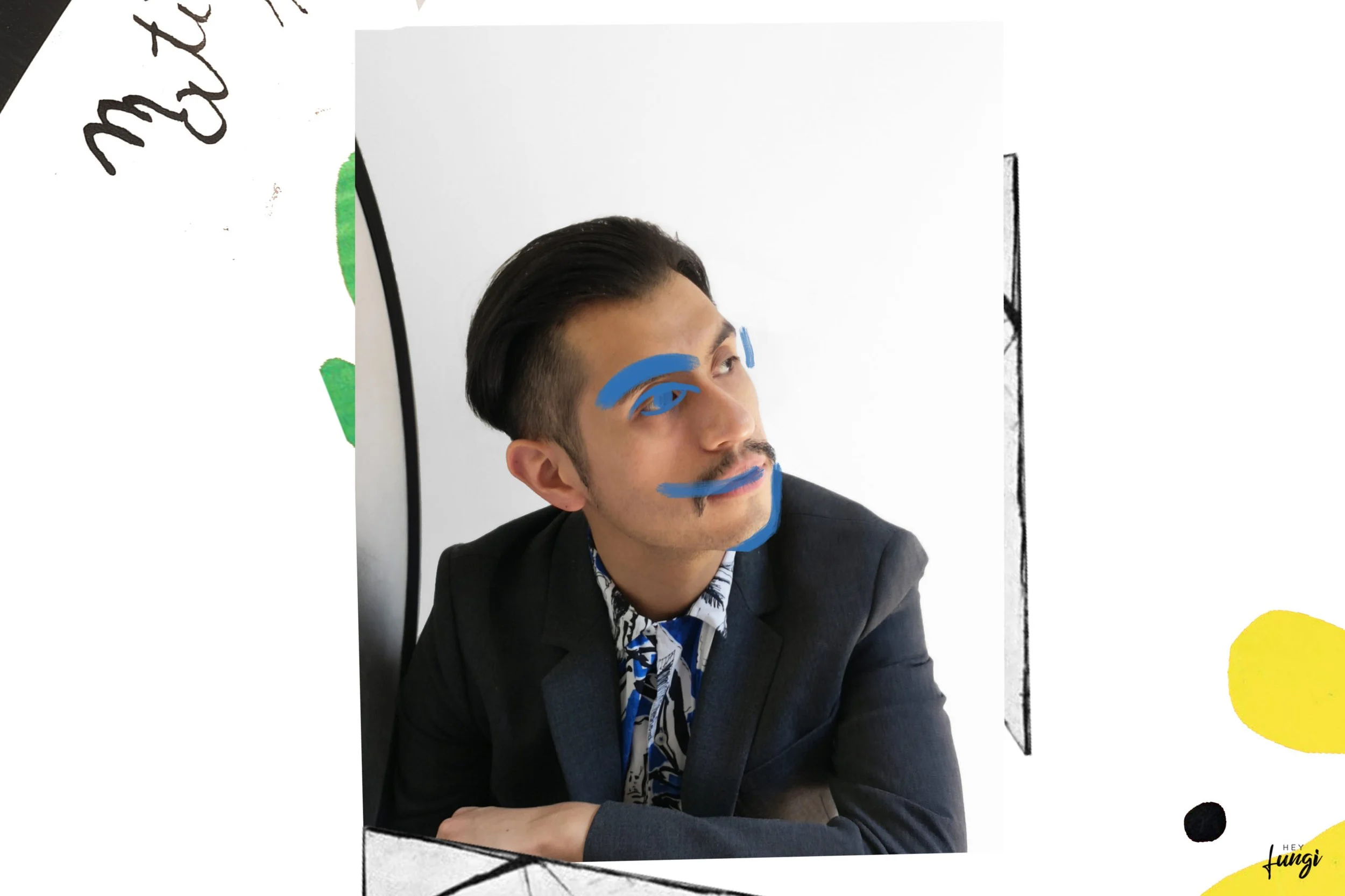
Una marca de ropa que estampa una silueta femenina simplificada en una camisa. Check. Una reproducción de los recortes de Matisse colgada en la casa de tu influencer danesa favorita. Check. Un nuevo café de moda con una pared repleta de caras abstractas. Check. Un bolso, una vasija y un cojín con motivos ilustrados de objetos inanimados en colores sólidos. Check. Joyería que elude a un rostro femenino. Check. Llevaba meses sabiéndolo, pero por alguna razón no había hecho una observación consciente sobre la abrumadora presencia de Matisse y Picasso en nuestro mundo visual contemporáneo./ A fashion brand that stamps a simplified feminine silhouette on a t-shirt. Check. A reproduction of Matisse's cutouts hanging in the home of your favorite Danish influencer. Check. A new trendy café with a wall full of abstract faces. Check. A purse, a vase and a pillow with illustrated motifs of inanimate objects in solid colors. Check. Jewelry that eludes a female face. Check. I had known for months, but for some reason I hadn’t made a conscious observation about the overwhelming presence of Matisse and Picasso in our contemporary visual world.
🎨 MATISSE & PICASSO 🎨
ART WORLD'S GOSSIP
Una búsqueda en Google arroja miles de resultados, pero salta a la vista la relación simbiótica entre Henri Matisse y Pablo Picasso. No se puede hablar del creador francés sin su contraparte española, muchas de las cosas que solemos decir “inspiración Matisse” están más inspiradas en el trabajo de Picasso y viceversa (a veces en ambos), pero de hecho el trabajo creativo de estos dos maestros se retroalimentaba y su amistad incómoda cambió para siempre el mundo del arte y la manera en la que se consumía./ A Google search throws thousands of results, but the symbiotic relationship between Henri Matisse and Pablo Picasso is obvious. You cannot speak of the French creator without his Spanish counterpart, many of the things that we usually call "Matisse inspiration" are more inspired by the work of Picasso and vice versa (sometimes both), but in fact the creative work of these two masters was complementary and their uncomfortable friendship changed the art world and the way it was consumed.
Matisse y Picasso se conocieron en París en 1906 y tenían una admiración mutua por el trabajo del otro y también a un referente común: Paul Cézanne, cuyas obras también han ayudado a moldear la manera en la que vemos ciertos objetos y paisajes contemporáneos./ Matisse and Picasso met in Paris in 1906 and had a mutual admiration for each other's work and also a common reference: Paul Cézanne, whose works have also helped shape the way we see certain contemporary objects and landscapes.
Tomando el trabajo de Cézanne como referencia, Matisse (mayor y más experimentado) decidió trabajar con colores sólidos y brillantes, con recortes de papel y formas audaces pero más simplificadas. Picasso, más joven y experimental hizo lo contrario, apostando por deconstruir las siluetas ideadas por Cézanne y fracturar el cuerpo humano y los objetos, con colores menos intensos./ Taking Cézanne's work as a reference, Matisse (older and more experienced) decided to work with bright and solid colors, with paper cutouts and bold but more simplified shapes. Picasso was younger and more experimental, so he did the opposite, betting on deconstructing the silhouettes devised by Cézanne and fracturing the human body and objects, with less intense colors.

In this artwork (from left to right): Céline SS17 Ready To Wear Collection + Byredo Vetyver Hand Wash + Minna Goods Blanket + Henri Matisse Nu Bleu II
ART FEUD
Matisse se disgustaría unos años después, cuando lo hecho por Picasso se conociera como Cubismo y alcanzara el status de marca (Citroen incluso intentó comprar los derechos). Matisse había trabajado duro en desarrollar una interpretación seria del trabajo de Cézanne y la comparación con el trabajo increíblemente abstracto de Picasso, hizo que el francés se tomara la fama del español como algo casi personal, aunque los recortes de Matisse también fueron aplaudidos por la manera en que logró reducir las formas a su mínima esencia. Esto derivó en una relación incómoda pero educada, donde algunas veces se criticaban a sus espaldas pero a la vez valoraban y reconocían el trabajo y la importancia del otro, en un intercambio implícito en sus obras que se puede ver en la manera en la que ambos abordaron cosas desde un mismo ángulo pero cada uno con su toque especial./ Matisse would be upset a few years later, when Picasso became famous for his style, coined as Cubism and reaching a brand status (Citroen even tried to buy the rights). Matisse had worked hard to develop a serious interpretation of Cézanne's work, and Picasso did an abstract approach. Matisse took this almost personally but he was also applauded for his cut outs, reducing the forms to their minimum essence. All of this resulted in an uncomfortable but educated relationship, where sometimes they criticized each other behind each other’s backs, but at the same time they valued and recognized the work and importance of the other, in an implicit exchange in their works
CONTEMPORARY INTERPRETATION / 2018-2020
¿Y por qué Matisse y Picasso están en todos lados? No hay que dar por hecho que esos calcetines con recortes frutales y el Nu Bleu I (eI cuadro omnipresente en las casas más bonitas de Instagram) están de moda por algo fortuito./ And why are Matisse and Picasso everywhere? It should not be taken for granted that those socks with fruit cutouts and the Nu Bleu I (the ubiquitous picture in the most beautiful houses on Instagram) are in fashion for something fortuitous.
En una vorágine de elementos visuales que recibimos a diario resulta cada vez más difícil ver donde empieza una tendencia, donde acaba y como muta, así que el principio ARTE→ DISEÑO→ COMERCIALIZACIÓN MASIVA se acelera. El sitio EYE ON DESIGN entrevistó a artistas que llevan años trabajando con un estilo similar al de Matisse y al de Picasso, mencionando que esta estética está comenzando a alcanzar niveles de saturación, ya que su presencia masiva aplasta su belleza (como cualquier otra tendencia que se explota)./ In a vortex of visual elements that we receive daily, it is increasingly difficult to see where a trend begins, where it ends and how it mutates, so the ART → DESIGN → MASS MARKETING principle accelerates. The site EYE ON DESIGN interviewed artists who have been working for years with a style inspired by Matisse and Picasso, mentioning that this aesthetic is beginning to reach a saturation level, since its massive presence crushes its beauty (like any other trend that is exploited).

In this artwork (from left to right): Pablo Picasso Tete de Femme + Macintosh Finder Icon + Christiane Spansberg + Octaevo Paper Vases + Paloma Wool Tops
- GOOD COMBO: Los estilos de Matisse y Picasso crean una buena combinación con la estética millennial que hemos estado viendo por años: colores sólidos, formas contundentes, el rosa como leitmotiv, el terrazzo y las plantas que abrazan nuestras casas de 50 metros cuadrados./ GOOD COMBO: The styles of Matisse and Picasso create a good combination with the millennial aesthetic that we have been seeing for years: solid colors, bold shapes, pink as leitmotiv, terrazzo and plants that enhance our 50 square meter apartments.
- THE IDEAL OF BEAUTY: Nos encantan los visuales de Matisse por esa idea democrática de la belleza, porque no existe y sin embargo te puedes identificar con los rasgos más comunes de esa cara sintetizada, nadie puede llegar a verse como ese rostro lunar (¿esto va ligado a la infantilización de la vida que tenemos los millennials?). Y sobre las mujeres de Picasso tenemos esas figuras femeninas que se alejan del canon establecido, formas sinuosas que se alejan de un molde tradicional./ We love Matisse's visuals for the democratic idea of beauty, because it doesn’t exist and yet you can identify with the most common features of that synthesized face, nobody can achieve to look like that lunar face (this is maybe linked to the infantilization of life that we have as millennials). And we love Picasso’s female shapes, because they move away from the established canon, sinuous shapes that don’t fit in the traditional mold.

In order of appearance: 1) JW Anderson Moon Face Earring + 2) Marleigh Culver + 3) Kokekit & OF by Oracle Fox + 4) Zara + 5) Dauphinette NYC + 6) Dora Szentmihalyi Blanket, H&M Vase, ABS Objects + 7) Rachel Saunders, Color Temperature + 8) Christine Spansberg, Tata Naka + 9) Paloma Wool + 10) Victoria Beckham Shirt, Elso Jewels, Sofia Schizas Print + 11) Lisa Says Gah!
“GOOD ARTISTS COPY, GREAT ARTISTS STEAL.” Pablo Picasso
Los verdaderos influencers son esas personas que han diseñado algo de una manera tan bien ejecutada, que tiene la capacidad de sobrevivir a 70 años para adaptarse al discurso de nuevas generaciones. Inventar el hilo negro es imposible, las formas sólo se reinventan para adaptarse a formatos que puedan convivir con nuevas generaciones, pero el corazón de las cosas y el concepto base siempre permanece./ Real influencers are those who have designed something in such a well executed way, things that can survive 70 years to fit into to the discourse of new generations. Discovering the black thread is impossible, shapes are only reinvented to adapt to new formats that can coexist with new generations, but the heart of things and the basic concept always remains.
Durante mi proceso de investigación para este post, alguna cosa cayó en mi cesta de compra, me declaro culpable./ During my research process for this post, some items accidentally ended in my shopping basket, I plead guilty.
Sources & references: The Sydney Morning Herald + BBC UK + The Guardian + FLUX Magazine + AIGA Eye On Design + My Modern MET + A Constellation + VOGUE USA